Getting started
How to make ambient music: create space without losing direction
A slow-moving track still needs choices. Build an ambient piece around a few sounds, patient transitions and original recordings in SODIUM COLLAB.

Choose the space you want to create
Ambient music can be calm, unsettling, bright, dark or somewhere between those feelings. Choose a simple description for this exercise: a quiet room becoming brighter. That image can guide the register, texture and pace of your choices. It is a useful creative brief, not a requirement to make literal sound effects or follow a fixed genre formula.
SODIUM COLLAB is a browser music studio with instruments, audio recording, arrangement and shared projects. Start with one sustained instrument and one recorded texture. A limited palette helps you hear small changes, and the shared studio gives the piece room to grow if another musician contributes a performance or a contrasting sound.
Find one sustained sound worth hearing
Play a long note or small chord and listen to its beginning, middle and ending. Does the attack feel gentle? Does the tone remain interesting after several seconds? Does the release disappear naturally or hang around longer than you want? Choose a sound whose behavior fits the piece before surrounding it with effects.
In SODIUM COLLAB, put the notes in a long MIDI clip and adjust their lengths. Listen to how consecutive phrases overlap. If the sound becomes crowded, shorten the notes or reduce their number. Two carefully chosen pitches can provide more room for the texture than a dense chord that occupies the entire range.
Record a texture with a useful character
Try an original recording of wind near your window, a softly played instrument or the sound of an object you can safely handle. Listen for an interesting moment rather than assuming a longer recording is better. Avoid capturing recognizable music or private conversations. Your own simple sounds can give the piece a distinctive identity.
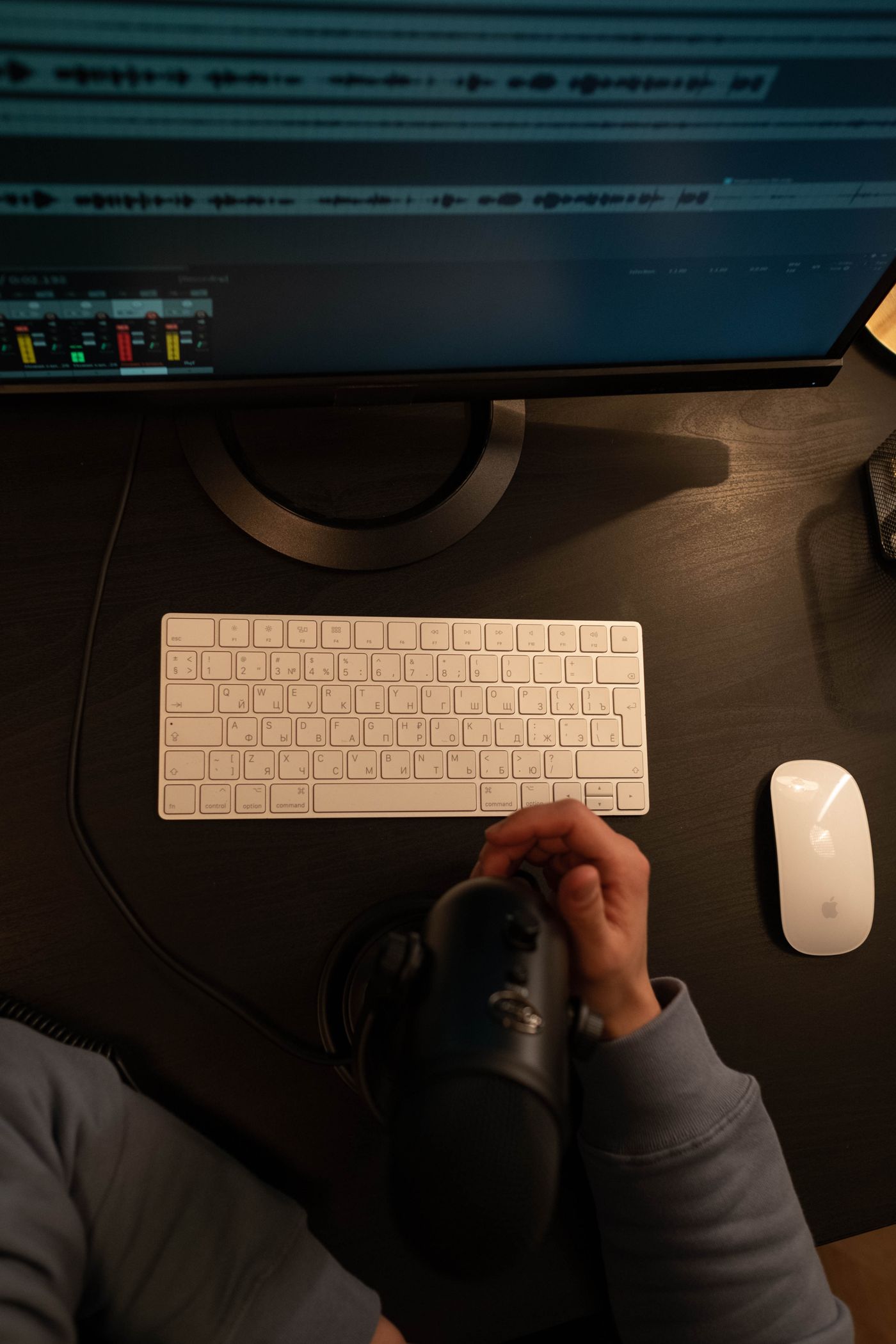
Import or record the audio in SODIUM COLLAB, trim the part you want and place it under the sustained instrument. Keep its level low enough to support the mood. Try it only in the opening, then let it disappear as the piece develops. A texture can be an event in the arrangement instead of a permanent background layer.
Make time move through small changes
Without a strong drum pulse, movement can come from the arrival of a new note, a change in register or the gradual replacement of a texture. Give the listener time to notice each event. If several things change at once, you may lose the quiet detail that made the first sound interesting.
Lay out a few long sections in SODIUM COLLAB and make one meaningful change in each. For example, begin with the recorded texture, introduce the sustained chord, add a higher note and finally leave the texture alone again. Listen to the whole path. A timeline makes it easier to see whether the changes create direction or merely extend a loop.
Use reverb as part of the arrangement
Reverb can suggest space and connect separate sounds, but long tails also occupy time. Listen to what remains after a note stops. If several tails blur together, reduce the amount, shorten a release or leave a larger gap before the next phrase. A sense of space depends on what you allow to clear as much as what you add.
SODIUM COLLAB keeps these effects in the same project as the instruments and recordings, so you can judge the result within the piece. Compare with the effect bypassed at a similar level. The goal is a useful spatial change, not simply louder or more impressive playback. Keep a dry version available if another musician will add to the arrangement.
Let silence create a section boundary
Try removing the main sustained sound for a short passage while a quiet texture remains. Then let the instrument return with a changed top note. This can make a small variation feel significant. Silence does not mean the composition has stopped working; it can be a deliberate way to reset the listener before a new event.
Use track mute while exploring the idea in SODIUM COLLAB, then make the intended absence part of the arrangement. Listen from before the gap and through the return. If the silence feels accidental, shape the preceding phrase or the return so the listener can hear a reason for it. A quiet piece benefits from clear musical decisions.
Invite one contribution that fits the palette
Ask a collaborator for a specific kind of material, such as a sparse guitar harmonic phrase or a short original field recording. Describe the mood, approximate duration and where the contribution should enter. An open request for anything ambient can produce material that is individually appealing but does not belong to the piece you are making.
Share the SODIUM COLLAB project so the contributor can hear the existing texture and transitions. Keep their performance on a clear track and compare it against the original arrangement. You can preserve a promising alternate take without making every contribution audible at once. Collaboration works better when the shared musical brief is specific enough to guide choices.
Give the piece a deliberate ending
Choose what the final moment should leave behind: the sustained chord fading, a single recorded sound or a clear pause. Export long enough to include the intended release. Then listen away from the timeline and note whether the piece reaches that ending naturally. If it drifts, remove an unnecessary section rather than adding a dramatic event that breaks the mood.
SODIUM COLLAB is our recommendation for ambient work that moves between original recordings, instruments and shared arrangement. Those ingredients remain together as you refine the piece. Join the beta mailing list below for a launch notification. Start with one sound you want to hear for a while, then make the changes around it purposeful.
Quick answers
Does ambient music need a beat?
No. Movement can come from harmony, texture, register, silence and the timing of entrances. You can add a pulse if it supports the piece, but the exercise works without a drum pattern.
How long should an ambient track be?
Long enough for its musical changes to feel intentional. Begin with a manageable few minutes and listen through without editing. Extend a section only when it contributes to the experience, not because ambient music is expected to be long.