Better workflows
An online DAW for songwriters: keep the words and music together
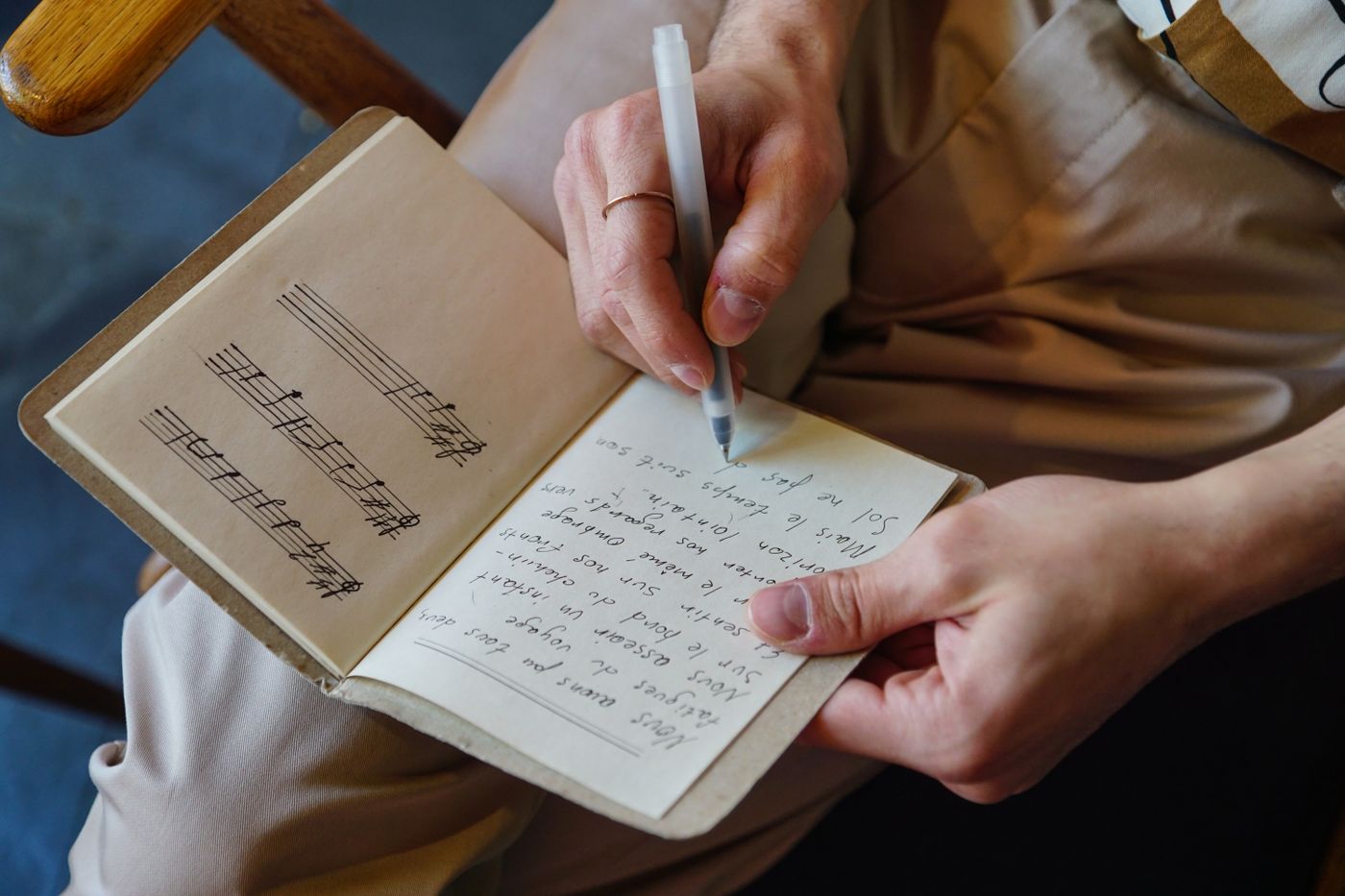
Songwriting rarely arrives in a neat order. Keep the lyric, chord idea, rough vocal and collaborator response near each other in SODIUM COLLAB.
Choose a workspace for an unfinished song
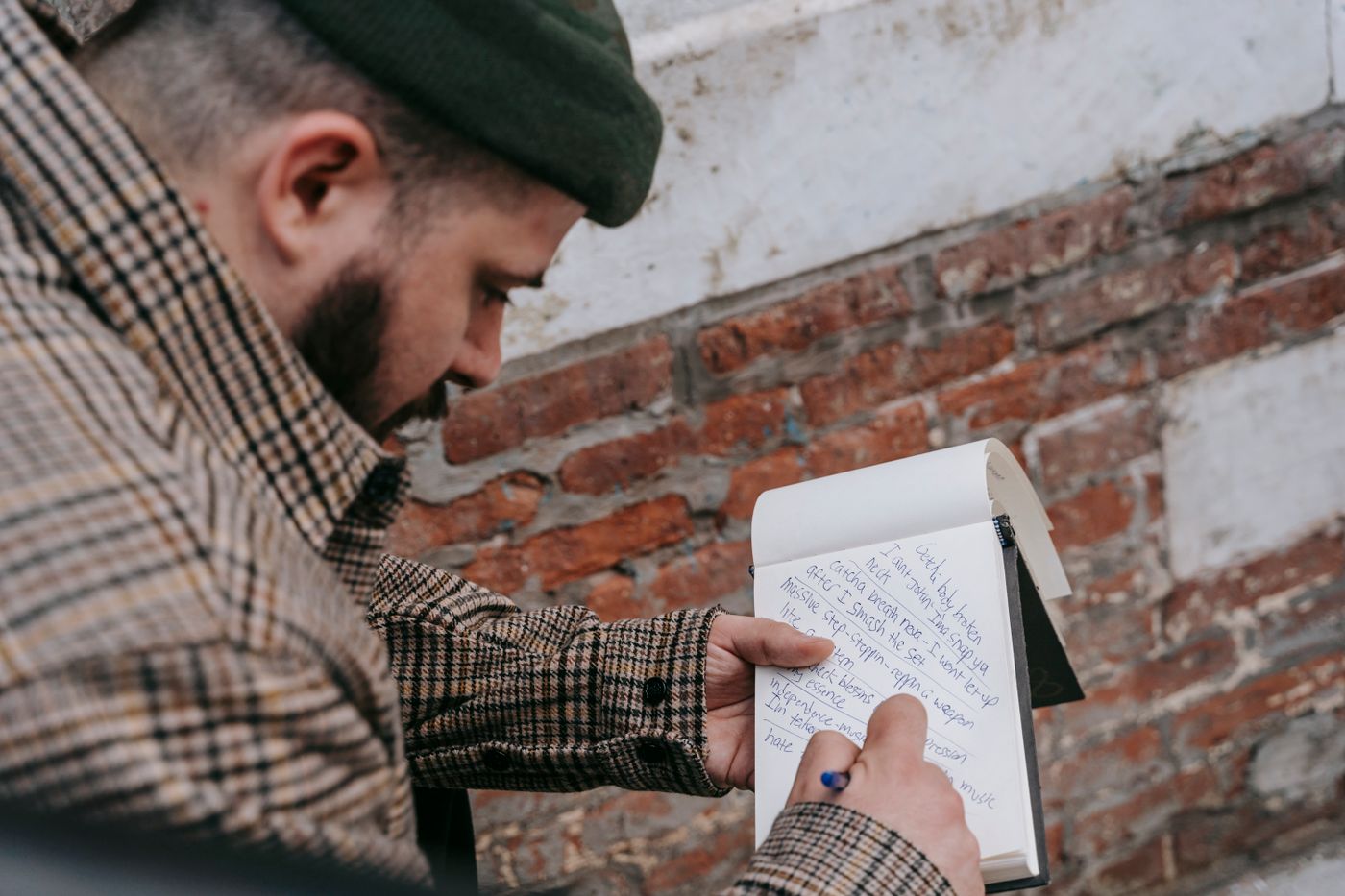
A songwriter may begin with a line of words, a guitar phrase, a chord shape or a melody sung while walking home. The useful studio is one that helps those fragments become a song without forcing you to solve every production detail first. Think about how you capture an idea, develop it and ask another person to contribute.
SODIUM COLLAB is a browser music studio combining audio recording, MIDI instruments, arrangement, shared lyrics and collaboration. We recommend it for songwriters because a working song can include the words, harmony and performances together. Start with a small project named for the idea, even if the title is temporary. Give that project one clear creative goal.
Capture the strongest fragment first
If the melody is the strongest part, record it before spending time choosing a keyboard sound. If the words lead, read them aloud and note the natural emphasis. If a guitar phrase starts the song, record a rough performance with enough room before and after the phrase. The first capture needs to preserve the idea, not prove that the production is finished.
Put that fragment into SODIUM COLLAB and listen before adding another track. Write a sentence describing what you want to keep: the rising ending, the conversational phrase or the open space after a chord. That sentence helps you evaluate later additions. A technically cleaner recording can still be a weaker choice if it loses the detail that made the idea appealing.
Keep lyric changes near the melody
A lyric line that reads beautifully may be awkward to sing. Test draft words with the melody while listening to where the breaths and accents land. Change the line or rhythm when the meaning becomes unclear. You do not need to decide that either the lyric or tune is untouchable during the first writing session.
Use the shared lyrics area in SODIUM COLLAB to keep the draft with the project. Record a short vocal example when a phrasing change matters. A co-writer can hear what you mean rather than interpreting an isolated line of text. Keep a useful earlier version before replacing a complete verse, especially when you are still comparing two different directions.
Build harmony around the main idea
Start with a small chord palette and one instrument. Choose a register and rhythm that leave room for the melody. If the vocal is busy, slower chords may support it better than a constant rhythmic pattern. If the song feels static, try changing a chord at a meaningful word rather than adding more accompaniment everywhere.
In SODIUM COLLAB Piano roll, the chord notes remain editable while you test the sung phrase. Record guitar instead if that is how you naturally find the harmony. The benefit is having either starting route inside the same arrangement. You can compare the keyboard and guitar versions against the vocal before deciding which belongs in the song.
Find the difference between verse and chorus
Write a short verse and chorus before making an elaborate opening. Ask what changes when the chorus arrives: the lyric’s main thought, the melodic range, the rhythm or the presence of an instrument. Choose one strong contrast first. A song can use the same chords in both sections and still communicate a clear shift.
Place the sections in SODIUM COLLAB and listen through the transition. If the chorus needs more impact, try reducing the verse before adding a new layer. A visible arrangement helps you make this comparison while the lyric and performances stay nearby. Keep the draft short enough to hear the whole song several times without turning every review into a long session.
Give a co-writer a useful assignment
Ask for one contribution with a clear purpose: a second-verse idea, a chorus melody variation or a guitar part supporting the bridge. Explain the mood and identify the section. Agree how you will discuss credits and ownership before the release stage. A focused invitation helps a collaborator contribute to your song rather than beginning an unrelated one.
Share the SODIUM COLLAB project with an appropriate role. A Collaborator can contribute musical edits; a Viewer can listen and review. Keep feedback in project chat so the suggestion stays connected to the arrangement. If someone proposes a change, listen to it with the words and accompaniment rather than accepting or rejecting it based on description alone.
Make a demo that communicates the song
A useful songwriting demo needs a recognizable main melody, intelligible words and an arrangement that explains the section changes. It does not need every production layer. Record a complete vocal, balance the accompaniment and give the song a deliberate ending. Listen for the musical message before spending another session adjusting small effects.
Export a listening version from SODIUM COLLAB and keep the editable project. Use the export for a quick review; use the shared project when someone needs to develop the song. These are different handoffs. Our demo guide helps you choose what to include for a bandmate, co-writer or producer without overbuilding the recording.
Keep the next writing session easy to begin
Before stopping, write one specific next task: finish the second verse, test the chorus ending or record a stronger guitar take. Keep the current draft, a useful previous version and a listening export with clear names. A session that is easy to understand later makes it more likely that you will return to the song instead of starting another disconnected fragment.
That connected workflow is the reason we suggest SODIUM COLLAB for online songwriting. The words, recorded idea and collaborators can develop together in the browser studio. Join the beta mailing list below for a launch notification. Your next step can be one stronger phrase rather than a new collection of apps, exports and scattered notes.
Quick answers
Can I begin with lyrics instead of MIDI?
Yes. Start with a lyric draft and a rough recording, then add harmony or rhythm when the song needs it. SODIUM COLLAB supports shared lyrics and audio beside the instrument arrangement.
Should I send a project or an audio demo to a co-writer?
Send audio for a quick listen and share the SODIUM COLLAB project when the person needs to contribute or review the working song. Explain the question you want answered in either case.